
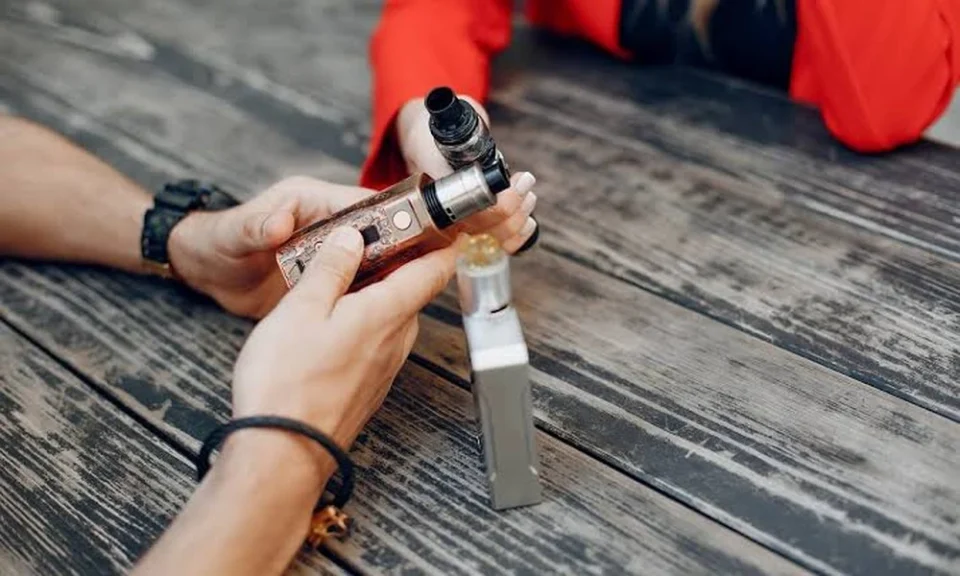
Independent lab results have started shaping buying decisions in ways that marketing copy can’t match anymore. Consumers scrolling through options for the best thca vapes increasingly look past flashy packaging toward whether a batch actually cleared verified testing, and that shift has quietly reordered which products gain traction. Testing labs check for a mix of things: cannabinoid concentration, pesticide residue, heavy metals, and residual solvents left over from extraction, and the results don’t always match what a label claims. Some products test remarkably close to their stated potency, while others show meaningful gaps that only surface once a sample actually reaches a lab bench.
Vape hardware adds its own layer of scrutiny, too, since heating elements and cartridge materials can introduce contaminants that wouldn’t show up in a raw flower test. Buyers who’ve been burned by inconsistent products once tend to become far more selective about checking for lab documentation before a second purchase, and that behaviour is spreading across the broader customer base faster than most brands anticipated.
Potency accuracy gaps
Lab results across the disposable vape category show a wider spread than most buyers expect when walking in. A cartridge labelled at a certain percentage might test several points off in either direction, and that variance isn’t always disclosed upfront.
Third-party labs operating independently of the brand tend to produce results that hold up better under scrutiny than in-house testing alone. Retailers have started favouring suppliers who publish batch-specific certificates rather than a single generic report covering an entire product line.
- Compare labelled potency against the actual certificate of analysis for that batch.
- Check whether an accredited third-party lab conducted testing.
- Look for a batch number that matches the specific certificate provided.
- Note the testing date, since older certificates may not reflect current formulations.
- Verify that the lab itself carries a current accreditation rather than an expired credential.
Contaminant screening results
Heavy metals and pesticide residue show up more often than the category’s polished branding would suggest. Extraction methods vary widely between manufacturers, and that variation directly affects how clean a finished product turns out once it reaches a testing bench.
Residual solvent levels draw particular attention from labs, since improperly purged extracts can leave trace amounts behind that aren’t always obvious through taste or smell alone. Products passing this screening consistently tend to come from operations with tighter process controls throughout extraction.
Hardware-related variance
Vape hardware introduces variables that flower or edible testing doesn’t encounter. Heating coil materials, wicking components, and cartridge construction all factor into what actually reaches a consumer beyond the oil itself. Cheaper hardware sometimes degrades under heat in ways that alter the vapour’s composition. Brands using higher-grade components tend to score more consistently across repeated lab checks, which has started influencing sourcing decisions among retailers stocking multiple vape lines. This has pushed hardware quality into conversations that once focused almost entirely on oil formulation.
Lab transparency has become one of the clearer signals separating reliable products from ones riding on packaging alone, and that gap seems to keep widening as testing access grows more common industry-wide.
