
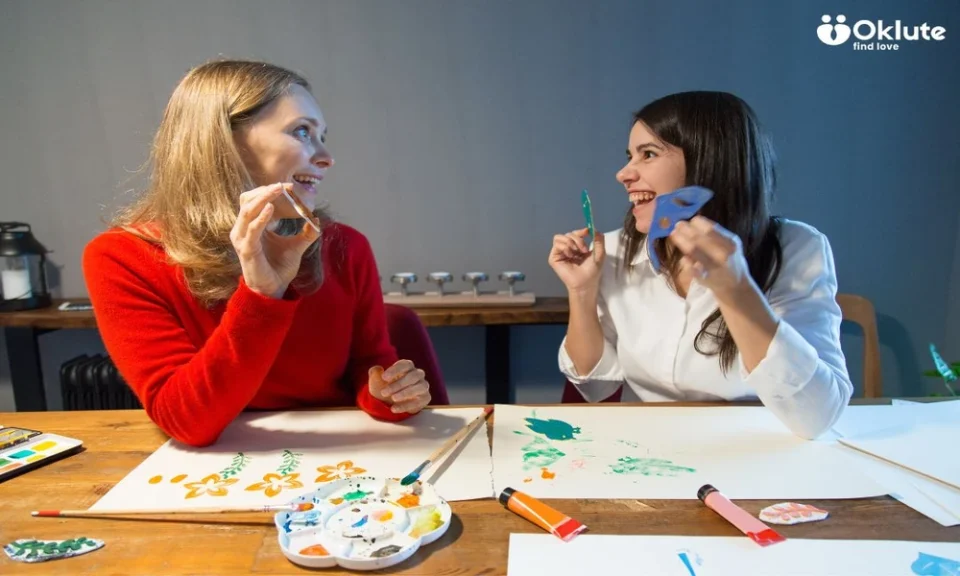
Effective communication is essential in every part of our lives. Whether it is to seal a big business deal, to resolve a conflict with a friend, or to deliver a keynote speech.
However, many times communication isn’t solely about the words you’re saying. In fact, a vast majority of human communication is done without a word being said. Therefore, knowing how to communicate well (both verbally and non-verbally) becomes an art and can help improve your personal relationships and professional success!
Let’s look at the two parts of communication and learn how to be an effective communicator.
Part 1: Verbal Communication (What you say)
Verbal communication can include the words you choose to use, your tone, and how clear your message is. However, many people struggle with this due to focusing on what they are saying.
1. Be Clear and ConciseAlways keep your verbal communication clear and simple. Avoid using jargon, complicated sentences, or going off on tangents. Mohali escorts interested in improving their communication skills can benefit from remembering that if their audience is confused by what they are saying, they may lose their attention. Ask yourself what the main message you are trying to get across is.2. Tone
Your tone can change the meaning of what you are saying completely. The same sentence can mean different things based on your tone, pitch, and volume.
Pitch – A high pitch can show you are excited or anxious, whilst a low pitch can show you are confident and calm.
Speed – Talking too quickly can show you are nervous. Pausing can create suspense.
3. Listening
To be an effective communicator, you must be a good listener. Listening actively means focusing on what the other person is saying, not making judgements, not interrupting, and asking questions to clarify.
Part 2: Non-Verbal Communication (How you do it)
Many psychologists and communication experts refer to the Albert Mehrabian Rule. This suggests that a large amount of communication is non-verbal. For Agra escorts who want to become confident speakers, understanding the importance of facial expressions, gestures, and posture can be valuable. Although the exact amounts are up for debate, it is true to say that we often communicate with our bodies before our mouths.1. Body Language
Your body language can tell a lot about how you feel. Slouching can show you are insecure, losing, or disinterested. Whereas standing tall and open shows you are confident and approachable. Try to keep your torso open when standing or sitting; avoid crossing your arms.

2. Eye Contact
Eye contact is one of the most powerful non-verbal tools you can use. Appropriate eye contact shows you are honest, paying attention, and showing respect. Not enough eye contact can make you seem dishonest or nervous. However, too much can make you seem aggressive. Try to keep your eye contact natural.
3. Facial ExpressionHumans have a wide range of expressions on their faces. Throughout conversations, we smile, frown, raise our eyebrows, and nod. A genuine smile can help reduce tension and create an instant connection. For Melbourne escorts who want to become confident communicators, understanding facial expressions is important because a frown can indicate confusion. By being aware of your facial expressions, you can ensure your face is showing what you want.4. Personal Space
Keeping the correct amount of personal space between you and the other person can help. Too close and you are invading their personal space and making them uncomfortable. Too far away, and you can seem cold. Be aware of cultural clues.
Bridging the Gap
The real art of communicating well is to bridge the gap between your verbal and non-verbal communication.
If a colleague says to you, “I am so happy for your promotion,” but they are looking down, have their arms folded tightly, and a monotone voice, do you believe them? Probably not. There is no congruency between the verbal and non-verbal communication.
If your words match your tone, body language, and facial expression, then it shows you are genuine. People are naturally attracted to genuine communicators.
Final Thoughts
Being an effective communicator (both verbal and non-verbal) takes time. To improve, you need to be mindful and aware of yourself. Start with small changes. Be aware of your body language in your next meeting, your tone in your next challenging conversation, and listen to understand.
By improving both sides of your communication, you will not only prevent any misunderstandings, but you’ll create deeper connections, inspire others, and become an unforgettable communicator.
