
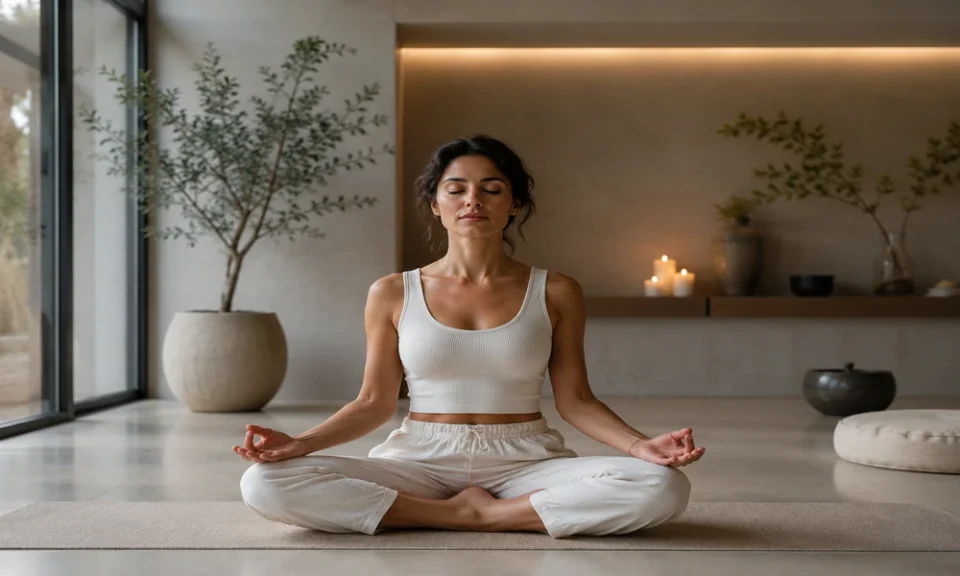
Meditation is often described as simple. A person sits, breathes, listens, and returns to the present moment. Yet beneath that simple act is a powerful relationship between attention, the nervous system, the brain, and the body. For modern wellness seekers, the science of meditation offers a clear way to understand why stillness can feel so restorative.
Op e n approaches meditation as more than a quiet pause. It is a structured practice that helps people build awareness, regulate stress, and reconnect with themselves through breath, movement, and presence. In a fast world, this kind of training can become a premium daily ritual: calm, intentional, and deeply practical.
What Meditation Does to Attention
At its core, meditation trains attention. The mind naturally moves between plans, memories, worries, and distractions. Meditation gives it one clear place to return, such as the breath, the body, a sound, or a guided cue.
This repeated return is the practice. Over time, it may help people notice when the mind has wandered without reacting harshly. That shift matters. Awareness creates space. Space creates choice. Instead of being pulled by every thought, the practitioner learns to observe.
This is why meditation can support clarity. It does not remove thoughts. It changes the relationship to them.
The Brain and Mindfulness
Research has explored how mindfulness meditation may influence brain activity and brain regions connected with attention, self-awareness, memory, and emotional regulation. The findings are still developing, but they point to one important idea: the brain is not fixed. It responds to repeated practice.

Meditation asks the brain to focus, notice, return, and soften. With time, this pattern may support stronger attention skills and a calmer response to emotional triggers. Some brain imaging studies have also looked at changes in areas linked with learning, memory, self-awareness, and compassion.
For everyday life, this may show up in small but meaningful ways. A person may pause before reacting. They may notice tension earlier. They may move through stress with more steadiness. These are not dramatic changes. They are quiet forms of resilience.
Meditation and the Stress Response
The body is designed to protect itself. When it senses pressure or threat, the nervous system can activate the stress response. Heart rate may rise. Breathing may become shallow. Muscles may tighten. The mind may become alert and restless.
This response is useful in real danger. But when daily life keeps the body in a state of constant pressure, stress can feel normal. Meditation offers a way to shift from automatic tension toward conscious regulation.
Slow breathing, guided awareness, and mindful attention can help signal safety to the body. This may support relaxation, steadier breathing, and a softer internal state. Op e n combines breathwork and meditation to help users enter that shift with intention.
Why the Body Matters in Meditation
Meditation is not only mental. The body is part of the practice. Breath, posture, sensation, heartbeat, and muscle tension all provide information.
A body scan, for example, helps people move attention through different areas of the body. This may reveal tension that was previously unnoticed. A breath-based practice may help a person feel grounded. A guided meditation may help the nervous system settle after a busy day.

This body-based awareness is one reason meditation can feel so immediate. Even a short practice can create a sense of returning home to oneself.
Emotional Balance Through Practice
Meditation does not promise a life without stress, sadness, or frustration. Instead, it supports the ability to meet emotions with awareness.
When emotions rise, the usual reaction may be to resist, suppress, or overthink them. Mindfulness invites a different approach. It allows emotions to be noticed without becoming the whole story. This can support emotional balance because the practitioner learns to observe the feeling, breathe through it, and respond more consciously.
In a premium wellness routine, this is valuable. Emotional strength is not about force. It is about steadiness, presence, and self-trust.
Why Consistency Matters
Meditation works best as a practice, not a one-time fix. A few minutes each day can be more useful than waiting for the perfect long session. Consistency teaches the brain and body what calm feels like.
Op e n makes this easier by offering guided breathwork and meditation experiences that fit into modern life. Whether someone wants clarity before work, calm after stress, or rest before sleep, a guided practice can create structure and support.
The goal is not perfection. The goal is return. Return to the breath. Return to the body. Return to the present moment.
A More Intelligent Way to Practice
The beauty of meditation is that it is both ancient and modern. It carries a long tradition of inner training, yet science continues to explore how it supports the brain and body.
For people seeking a premium wellness experience, Op e n offers a refined path into that practice. Through breathwork, meditation, music, and mindful guidance, it helps users build a stronger connection to calm, focus, and emotional balance.
Meditation begins with one breath. With practice, that breath can become a doorway into a clearer mind, a steadier body, and a more present life.

CTA: Explore Op e n’s breathwork and meditation programs to experience guided practices designed for clarity, calm, and modern well-being.
FAQs
What is the science behind meditation?
The science behind meditation studies how mindful attention, breath awareness, and repeated practice may affect the brain, nervous system, stress response, and emotional regulation.
Can meditation support brain health?
Research suggests meditation may influence areas of the brain connected with attention, awareness, memory, and emotional control. More research is still developing, but the evidence is promising.
How does meditation affect the body?
Meditation may help the body shift from stress activation toward a calmer state by supporting slower breathing, relaxation, and greater body awareness.
Is meditation good for stress?
Meditation may help people notice stress earlier and respond with more awareness. It can be a useful daily practice for nervous system regulation.
How can beginners start meditation?
Beginners can start with a short guided practice, focused breathing, or a body scan. Even 5 to 10 minutes can help build consistency.
