
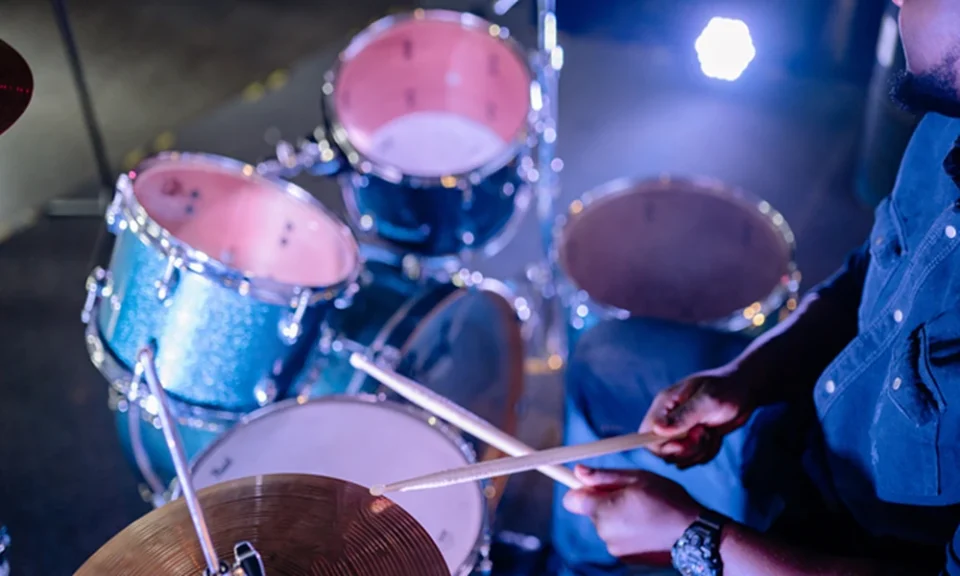
Securing a spot on a major touring roster is the ultimate goal for many aspiring musicians. The opportunity to play iconic venues, travel internationally, and perform for massive crowds represents the pinnacle of a commercial music career. Because these positions are highly coveted and lucrative, audition processes are incredibly competitive.
When a prominent artist or major record label holds auditions for a touring drummer, they take technical mastery for granted. Every player invited to walk into that rehearsal room has fast chops, solid timing, and a professional look. Therefore, landing the gig rarely comes down to who can play the flashiest drum solo. Instead, it comes down to who understands the subtle realities of touring etiquette and live production.
Amateur players often let bad habits, misplaced egos, or preparation gaps ruin their chances before they even finish the first song. Avoiding these five common audition mistakes will significantly increase your odds of surviving the cut and landing the touring gig.
1. Over-Playing and Choking the Vocal Pocket
The single most frequent mistake drummers make in an audition setting is trying to impress the musical director by over-playing. They treat the audition like a personal showcase, filling every musical transition with complex linear combinations, metric modulations, and lightning-fast gospel chops.
Why It Costs You the Gig: Your primary responsibility as a touring drummer is to lay down a rock-solid foundation that makes the lead artist feel secure and comfortable. If your fills are so busy that they collide with the lead vocal melody or crowd interaction cues, you become a liability. Professional musical directors look for players who hold back, locking down a simple, repetitive groove with absolute authority. Play for the song, not for yourself; save your complex technical ideas for your personal social media channels.
2. Failing to Memorize the Vocal Arrangements and Cues
Many drummers prepare for an audition by listening to the studio versions of the tracks on repeat, charting out the drum parts note-for-note. They walk into the room ready to execute the exact track found on the album. However, a live concert rarely matches the studio arrangement.
Why It Costs You the Gig: Live shows rely heavily on dynamic drops, extended choruses for crowd participation, sudden stops for choreography, and variable transitions dictated by a musical director’s visual cues. If you keep your head down, staring intently at a chart or repeating a loop blindly without watching the band leader, you will miss a crucial cue. A professional touring drummer memorizes the lead singer’s breath patterns and vocal cues so they can naturally anticipate dynamic changes and guide the entire band through a seamless transition.
3. Fighting the Click Track and Backing Tracks
Modern live pop, rock, and hip-hop tours rely heavily on complex playback rigs running digital backing tracks, MIDI lighting triggers, and keyboard sub-mixes. Because of this, the drummer must wear headphones or in-ear monitors and play along to a digital click track for the entire duration of the concert.
Why It Costs You the Gig: If you rush the tempo when the chorus hits because you are excited by the energy of the room, you will drift away from the pre-recorded backing tracks, causing a catastrophic sonic trainwreck for the front-of-house mix. Musical directors can feel a drummer fighting or resisting the click within three bars. You must develop an absolute comfort level with playing to a click, learning how to make a rigid digital pulse feel deeply human, loose, and emotionally expressive.
4. Arriving with Unreliable, Unprepared Hardware
Showing up to a professional audition with squealing bass drum pedals, loose tom mounts that slip mid-song, or cymbal stands missing functional felts and sleeves sends an immediate red flag to the crew.
Why It Costs You the Gig: On the road, time is money. A touring crew cannot afford to waste soundcheck time troubleshooting a drummer’s faulty personal hardware or dealing with a single-coil hum coming from an unmaintained hybrid electronic pad. Arriving with compromised gear shows a complete lack of professionalism. Your hardware should be completely cleaned, lubricated, and structurally immaculate. If you utilize electronic triggers or sample pads, your sound files must be organized, pre-loaded, and instantly accessible without technical delays.
5. Displaying a Stiff, Rigid Stage Presence
It is easy to get so caught up in the technical execution of a difficult setlist that you freeze up behind the kit, looking stressed, mechanical, or completely expressionless.
Why It Costs You the Gig: A concert is a visual medium. A major touring artist wants a band that brings infectious energy to the stage and elevates the production value. If you look like you are taking a difficult math test while playing, you hurt the visual aesthetic of the performance. You need to exude confidence, project a positive stage presence, and look like you are genuinely enjoying the music-even when executing complex rhythms under immense pressure.
Succeeding on a high-stakes audition circuit requires trading bedroom practice habits for rigid, industry-standard discipline. While building hand speed on a practice pad is a necessary step, mastering live tracking workflows, playback systems, and stage presence requires structured professional development.
If you are ready to bypass the painful trial-and-error phase and master the exact ensemble, engineering, and business skills demanded by major labels, enrolling in an elite music program for drummers is the definitive step. A dedicated educational curriculum provides direct mentorship from touring veterans, access to state-of-the-art playback technology, and the industry network required to transform your natural talent into a global touring career. Pack your gear, lock into the click, and keep the pocket solid.
