
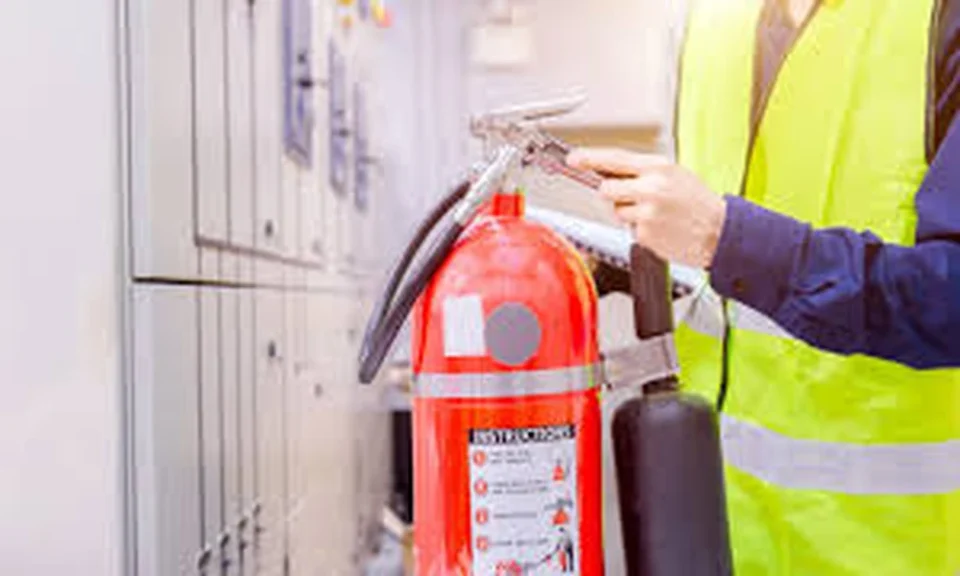
Fire safety begins long before flames become visible. In many cases, the difference between a close call and a devastating incident is how quickly a fire is detected. While many homeowners focus on extinguishing fires once they start, prevention and early warning remain the most effective ways to protect lives, property, and treasured belongings.
Modern fire protection combines reliable detection with effective suppression, giving occupants valuable time to react while limiting the spread of fire. Understanding how these systems work can help homeowners make informed decisions and create a safer living environment.
Why Early Detection Matters
House fires can develop rapidly. A small electrical fault, an unattended pan, or a malfunctioning appliance can produce smoke long before flames become obvious. Detecting these warning signs early allows occupants to evacuate safely, contact emergency services, and, where appropriate, take action before the fire grows.
Smoke alarms remain an essential first line of defence, but they are only one part of a comprehensive fire safety strategy. Advances in detection technology now provide faster and more accurate identification of smoke, heat, and other signs of fire, helping to reduce false alarms while improving response times.
Understanding how a fire detection system operates can help homeowners appreciate the role these systems play in identifying hazards at the earliest possible stage.
Common Causes of Fires in UK Homes
Many domestic fires result from everyday activities rather than unusual events. Some of the most common causes include:
- Cooking left unattended.
- Faulty or overloaded electrical equipment.
- Portable heaters placed too close to combustible materials.
- Candles burning without supervision.
- Charging devices left plugged in for extended periods.
- Smoking materials that are not properly extinguished.
Regular maintenance and safe habits significantly reduce these risks, but no home is completely immune. This is why early detection remains so important.
Choosing the Right Detection System
Every property has different requirements depending on its size, layout, and occupancy. Larger homes may benefit from interconnected detectors, ensuring that an alarm triggered in one room is heard throughout the property. Homes with multiple floors should have detectors positioned strategically to provide maximum coverage.
Modern systems may include:
- Smoke detectors for living spaces and hallways.
- Heat detectors for kitchens and garages.
- Carbon monoxide detectors near fuel-burning appliances.
- Smart systems that send alerts directly to mobile devices.
Routine testing and battery replacement are equally important. Even the most advanced equipment cannot provide protection if it is not maintained correctly.
Beyond Detection: The Value of Fire Suppression
While early detection alerts occupants to danger, suppression systems help control the fire before it spreads. This combination offers greater protection than relying on alarms alone.
One increasingly popular option for residential properties is water mist fire suppression. Unlike traditional sprinkler systems, water mist technology uses extremely fine droplets that cool flames quickly while using significantly less water. This can help minimise water damage to furniture, electronics, and valuable possessions while effectively reducing heat and limiting fire growth.
The combination of fast detection and rapid suppression provides homeowners with an additional layer of protection, particularly in properties where evacuation may be more challenging.
Practical Fire Prevention Tips
Technology plays a vital role, but everyday habits remain essential for reducing fire risks. Homeowners should:
- Test smoke alarms every month.
- Replace batteries as recommended by the manufacturer.
- Avoid overloading electrical sockets.
- Keep escape routes clear at all times.
- Never leave cooking unattended.
- Store matches and lighters away from children.
- Arrange regular inspections of electrical installations and heating appliances.
Developing a household fire escape plan is equally important. Every member of the family should know how to leave the property safely and where to meet outside in an emergency.
Investing in Long-Term Safety
Fire safety should not be viewed as a one-time purchase. As homes become increasingly connected and filled with electronic devices, the importance of maintaining reliable fire protection continues to grow.
Upgrading outdated alarms, inspecting existing systems, and considering integrated fire protection measures can provide lasting peace of mind. The cost of prevention is often minimal compared to the financial and emotional consequences of a serious fire.
Frequently Asked Questions
1. What is a fire detection system?
A fire detection system is designed to identify the early signs of a fire, such as smoke, heat, or flames, and alert occupants through alarms. Early detection allows people to evacuate safely and enables emergency services to respond more quickly.
2. Where should smoke detectors be installed in a home?
Smoke detectors should be fitted on every level of the property, particularly in hallways, landings, and near bedrooms. Heat detectors are generally recommended for kitchens and garages, where smoke alarms may be triggered by everyday cooking or vehicle fumes.
3. How often should fire alarms be tested?
Fire alarms should be tested at least once a month to ensure they are working correctly. Batteries should be replaced when required, and the entire unit should be replaced according to the manufacturer’s recommended lifespan, typically every 10 years.
4. Are water mist fire suppression systems suitable for residential properties?
Yes. Water mist fire suppression systems are well suited to many homes. They use fine water droplets to cool flames and reduce oxygen around the fire, helping to control it while using considerably less water than traditional sprinkler systems, which can minimise water damage.
5. Can a fire detection system prevent fires?
A fire detection system cannot stop a fire from starting, but it plays a crucial role in preventing small incidents from becoming major emergencies. By detecting smoke or heat at an early stage, it gives occupants valuable time to evacuate and respond appropriately.
6. What are the most common causes of house fires in the UK?
Some of the leading causes include unattended cooking, faulty electrical appliances, overloaded sockets, candles left burning, portable heaters placed too close to combustible materials, and smoking materials that are not properly extinguished.
Conclusion
Protecting your home starts with recognising that fire prevention is about more than simply responding to emergencies. Early detection provides valuable time to act, while effective suppression systems help reduce damage and improve overall safety.
By combining reliable detection technology, sensible household habits, and appropriate fire suppression measures, UK homeowners can significantly reduce fire risks and create a safer environment for everyone under their roof. Investing in comprehensive fire protection today is one of the most practical decisions you can make for your home and your family’s future.
