
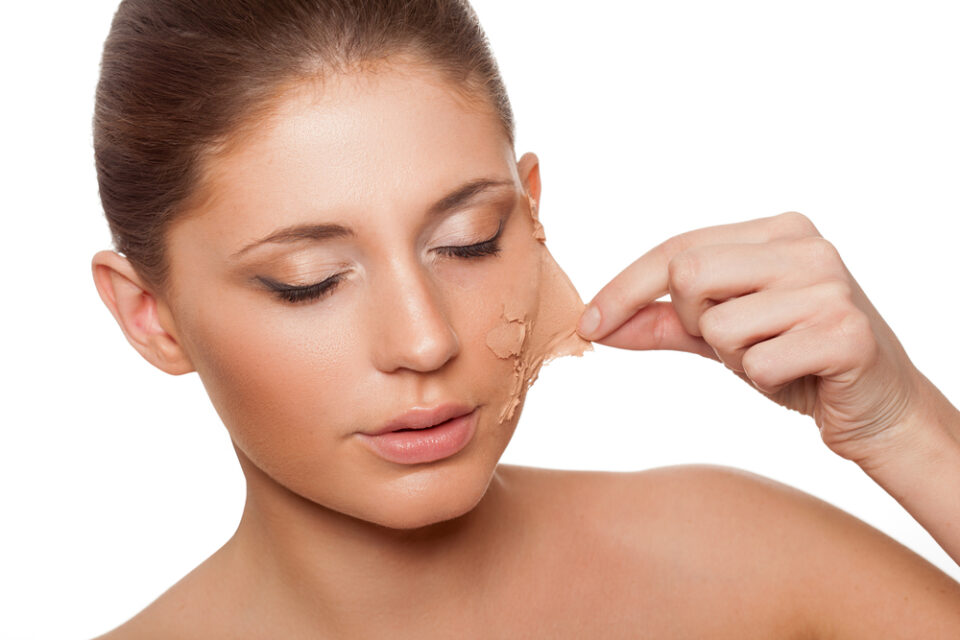
The skin is constantly working to repair itself. Every day it faces small injuries, environmental stress, and natural aging. To stay healthy, the skin must renew and rebuild damaged cells. This process is called skin repair and regeneration. When the body functions well, damaged skin gradually heals and new cells replace older ones. However, several internal and external factors can slow down this natural process.
Healthy skin repair depends on many things, including lifestyle habits, nutrition, and overall wellness. Even stress levels and daily routines can influence how quickly the skin recovers. In many professional skincare settings, specialists may also explore supportive methods to enhance the skin’s recovery process. For example, treatments such as Celluma Light Therapy are sometimes considered as part of broader skincare approaches designed to support the skin’s natural healing cycle.
Understanding what helps or harms skin regeneration can make it easier to maintain healthy and resilient skin.
Key Takeaways
- Skin repair is a natural process that replaces damaged cells with new ones.
- Nutrition, sleep, and hydration play a major role in skin regeneration.
- Environmental factors like sun exposure and pollution can slow healing.
- Stress and aging may reduce the skin’s ability to recover quickly.
- Supportive skincare approaches can help encourage healthier skin renewal.
The Role of Nutrition in Skin Healing
The body relies on nutrients to repair tissues and produce new skin cells. When the diet lacks essential vitamins and minerals, the skin may take longer to recover from irritation or minor injuries. Nutrients such as vitamin C, vitamin A, and zinc help support collagen production and tissue repair.
Protein is also important because it provides the building blocks needed to create new skin cells. Without enough protein in the diet, the skin’s ability to regenerate may slow down. Drinking enough water also supports skin repair because hydration helps maintain the skin’s protective barrier and allows nutrients to move efficiently throughout the body.
How Sleep Influences Skin Regeneration
Sleep plays a surprisingly important role in skin recovery. During deep sleep, the body increases its repair processes. Hormones that support tissue growth and healing are released while the body rests. These hormones help repair damaged skin cells and promote regeneration.
When people do not get enough sleep, the skin may look dull or tired. Over time, lack of sleep can slow the renewal process and make it harder for the skin to recover from daily damage. Consistent sleep patterns allow the body to perform its natural repair work more effectively.
Environmental Factors That Can Slow Healing
Environmental exposure is another major factor affecting skin repair. The skin constantly interacts with outside elements such as sunlight, pollution, and temperature changes. Excessive sun exposure can damage collagen fibers and reduce the skin’s ability to regenerate quickly.
Pollution particles may also settle on the skin’s surface and trigger irritation. Over time, these environmental stressors can weaken the skin barrier and slow down its healing process. Protecting the skin with sunscreen and maintaining a gentle skincare routine can help reduce these negative effects.
The Impact of Stress on Skin Recovery
Stress can influence many systems in the body, including the skin. When the body experiences ongoing stress, it releases hormones that may interfere with normal healing. These hormones can trigger inflammation, which may delay skin repair and cause sensitivity.
Stress may also lead to habits that affect skin health, such as poor sleep or unhealthy eating patterns. Managing stress through relaxation techniques, exercise, or mindfulness can help support the body’s natural healing abilities.
How Aging Changes the Skin’s Repair Ability
As people grow older, the skin’s regenerative capacity naturally slows down. Collagen production decreases, and the turnover of skin cells becomes slower. Because of this, cuts, irritation, or minor damage may take longer to heal compared to younger skin.
Older skin may also become thinner and more fragile. This makes it more sensitive to environmental damage. Supporting skin health with proper care, hydration, and balanced nutrition can help maintain the skin’s repair function even as the aging process continues.
Celluma Light Therapy and Skin Regeneration
In recent years, some skincare professionals have explored supportive approaches that aim to encourage the body’s natural healing processes. One such approach is Celluma Light Therapy, which is sometimes used in skincare environments to complement treatments focused on skin recovery and renewal.
This method uses controlled light exposure as part of certain skincare routines. The goal is to support cellular activity and help create an environment where the skin’s natural repair processes can function more efficiently. While it is not a replacement for healthy lifestyle habits, Celluma Light Therapy is occasionally included in broader skincare strategies designed to promote improved skin repair and regeneration.
Conclusion
Skin repair and regeneration depend on a combination of factors. Proper nutrition, restful sleep, and protection from environmental stress can significantly influence how well the skin heals. Stress management and healthy daily habits also play an important role in maintaining strong and resilient skin.
As research continues to explore ways to support skin recovery, some skincare practices incorporate additional methods alongside traditional care. When combined with healthy lifestyle choices, these supportive approaches may help encourage the skin’s natural ability to repair and renew itself over time.
