
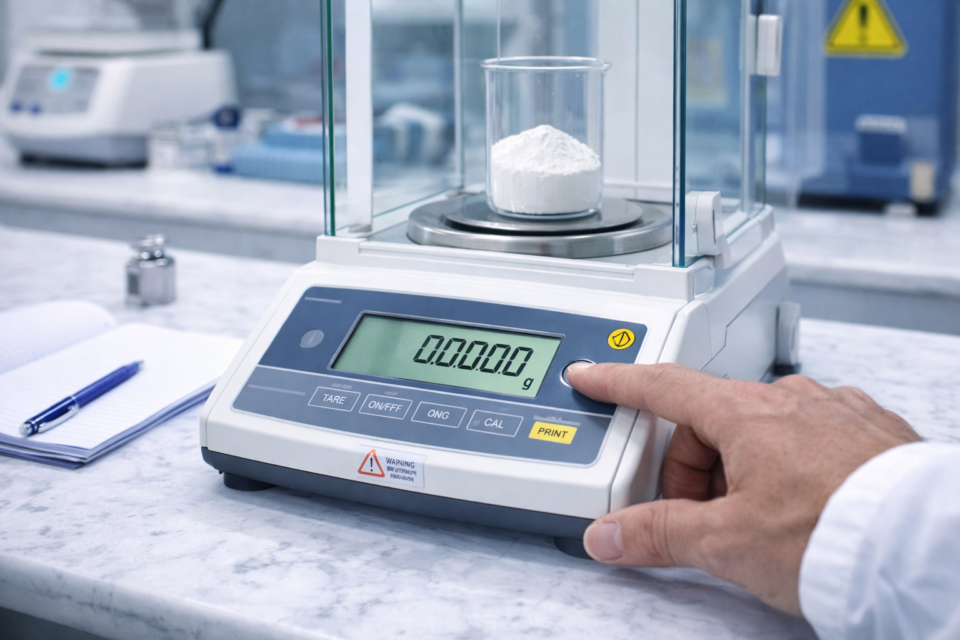
Precision is one of the most critical aspects of laboratory work. Whether it involves chemical analysis, pharmaceutical research, or educational experiments, accurate measurement of materials is essential for reliable results. This is where a digital balance for laboratory plays a vital role.
Modern laboratories rely on advanced weighing equipment to ensure consistency, efficiency, and accuracy. From basic measurements to high-precision analysis, a reliable weighing balance for laboratory applications helps researchers and technicians perform experiments with confidence.
Importance of Digital Balances in Laboratories
A laboratory balance scale is designed to measure mass with a high level of accuracy. Unlike traditional mechanical balances, digital balances use electronic sensors to provide fast and precise readings.
These devices are commonly used in chemical laboratories, pharmaceutical research facilities, food testing labs, and educational institutions. A high-quality lab analytical balance can measure extremely small quantities, often with precision up to milligrams or even micrograms.
Because even the slightest variation in measurement can affect experimental results, choosing the right weighing equipment is essential for laboratory operations.
Key Features of a Digital Balance for Laboratory
Modern digital balances come with several advanced features that improve usability and accuracy. Understanding these features helps laboratories select the most suitable equipment for their needs.
High Precision Measurement
One of the main advantages of a digital balance for laboratory use is its ability to measure extremely small quantities with remarkable accuracy. This precision is particularly important in chemical analysis and pharmaceutical research.
A high-quality laboratory analytical balance is designed to minimize measurement errors and provide consistent readings, ensuring reliable data for experiments.
Digital Display and User Interface
Most digital balances include clear LCD or LED displays that make it easy to read measurements instantly. This feature reduces human error and improves efficiency during laboratory procedures.
A modern laboratory balance scale may also include touch controls, programmable settings, and multiple weighing units, making it versatile for different types of laboratory work.
Draft Shield for Accurate Weighing
Analytical balances often include a draft shield that protects the sample from air currents. This enclosure helps maintain stability and ensures that measurements taken by a lab analytical balance remain accurate even in environments with minor airflow.
Multiple Measurement Functions
Advanced balances may offer additional functions such as tare weighing, percentage calculations, and counting modes. These features make the weighing balance for laboratory tasks more convenient and efficient for researchers.
Understanding Accuracy in Laboratory Analytical Balances
Accuracy is a defining factor when selecting a laboratory analytical balance. Even a small deviation in measurement can affect experimental outcomes, especially in chemical analysis.
High-precision balances are designed with sensitive sensors and internal calibration systems to maintain consistent performance. However, external factors such as temperature fluctuations, vibrations, and humidity can influence measurements.
Proper placement of the digital balance for laboratory on a stable and vibration-free surface helps maintain accuracy during experiments.
Importance of Calibrating Analytical Balances
Calibration is essential to ensure that laboratory balances continue to deliver accurate results. Calibrating analytical balance equipment involves comparing the instrument’s readings with known reference weights and adjusting it to maintain precision.
Regular calibration helps laboratories avoid measurement errors that could impact research results or product quality.
When Should Calibration Be Performed?
Calibration of a lab analytical balance should be carried out in the following situations:
- When the balance is installed for the first time
- After moving the equipment to a different location
- When environmental conditions change significantly
- As part of routine maintenance schedules
Many laboratories also follow periodic calibration schedules to maintain consistent measurement standards.
Tips for Maintaining Accuracy in Laboratory Balances
Proper maintenance ensures that a weighing balance for laboratory continues to perform accurately over time.
Keep the balance clean: Dust, chemical residues, or spills can affect measurement accuracy.
Use the correct environment: Place the laboratory balance scale in a stable location away from vibrations, airflow, and direct sunlight.
Allow warm-up time: Digital balances often require a short warm-up period before delivering accurate readings.
Perform routine calibration: Regularly calibrating analytical balance equipment ensures that measurement results remain reliable.
Role of Reliable Laboratory Equipment Suppliers
Laboratories require dependable equipment that meets industry standards for precision and durability. This is why many research facilities and educational institutions prefer working with trusted Lab Chemicals Suppliers India who offer high-quality laboratory instruments and support services.
Reliable suppliers provide accurate weighing equipment along with technical guidance, ensuring that laboratories maintain the required standards for measurement and experimentation.
“Accurate measurement is fundamental to scientific research and laboratory analysis. A reliable digital balance for laboratory applications ensures precise weighing, improved efficiency, and consistent experimental outcomes.
By selecting a high-quality laboratory analytical balance, maintaining proper environmental conditions, and regularly calibrating analytical balance equipment, laboratories can achieve dependable results in their daily operations. With the support of trusted Lab Chemicals Suppliers India, laboratories can also ensure access to reliable instruments that support scientific accuracy and research excellence.”
