
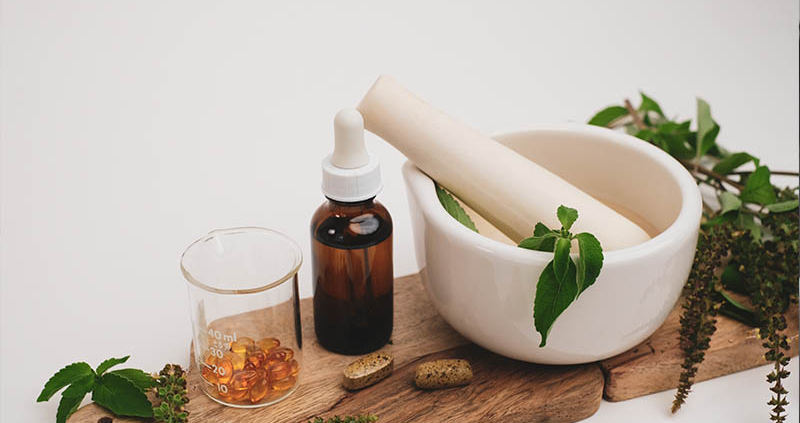
Demand for herbal and Ayurvedic medicines in the United Kingdom has risen sharply, fuelled by a shift towards natural health, preventative care and holistic wellbeing. Herbal remedies and Ayurvedic products are moving from niche shelves into mainstream pharmacies, health stores and e‑commerce platforms, changing how people in the UK think about day‑to‑day healthcare.
Market growth and key figures
The UK herbal medicine market has been expanding steadily and is forecast to grow strongly through 2030, supported by rising consumer interest in plant‑based remedies. One market analysis estimates that herbal medicinal products in the UK form part of a wider European sector worth tens of billions of dollars, with strong UK contribution and continued double‑digit growth projected in some product segments.
Ayurveda, though still a smaller niche, is one of the fastest‑growing parts of this market. Recent projections suggest the UK Ayurvedic products market could grow from around USD 540 million in 2025 to almost USD 1.8 billion by 2035, implying a compound annual growth rate of about 12.7 percent over the forecast period. This puts Ayurvedic products among the more dynamic areas of the UK alternative medicines landscape, alongside supplements and functional foods.
Image Credits: Post Pandemic rise in demand of Ayurvedic Medicines in UK – Cyberknife Delhi
What studies show about herbal use
Survey data helps explain how common herbal medicine use has become in the UK. An Ipsos MORI poll on public perceptions of herbal medicines reported that around 35 percent of UK adults had used a herbal medicine at some point, with usage higher among women and people in higher socio‑economic groups. Another study on UK herbal medicine users found that many take herbal products for conditions such as anxiety, insomnia and digestive problems, and that satisfaction levels are generally high.
Clinical literature paints a similar picture. One study on UK patients reported that a substantial proportion of people attending primary care or hospital clinics also used herbal remedies, often without telling their doctor, raising concerns about possible herb–drug interactions. Qualitative research on herbal medicine utilisation in the UK highlighted themes such as disappointment with conventional care, desire for control and preference for “natural” options as key reasons for turning to herbs.
Changing attitudes to natural and holistic care
Public opinion research shows that attitudes towards herbal medicines are broadly positive but nuanced. In the Ipsos survey, many respondents described herbal medicines as “natural”, “traditional” and “gentle”, yet a majority also said they wanted stronger evidence of effectiveness and better information on side effects. This balance—enthusiasm combined with caution—is shaping how the UK market evolves, with greater emphasis on quality, testing and professional advice.
Ayurvedic wellness aligns closely with the broader UK shift towards holistic health. An overview of Ayurveda in the UK notes that many people first encounter it through yoga, meditation, plant‑based diets and wellness retreats, then move on to Ayurvedic herbs and routines such as herbal teas, oil massage and personalised diet plans. A UK‑based Ayurvedic institute describes growing interest in “preventative care” and “daily routines that build resilience”, positioning Ayurveda as a lifestyle system rather than only a medical intervention.
Influential voices and quotations
Several respected figures in science, integrative medicine and policy have commented on herbal and traditional systems like Ayurveda.
- The World Health Organization has long recognised the importance of traditional medicine, stating that “traditional and complementary medicine is an important and often underestimated health resource with many applications, especially in the prevention and management of lifestyle‑related chronic diseases.”
- In the context of Indian systems of medicine, the Indian Ministry of AYUSH has emphasised that Ayurveda “remains an important component of our healthcare” and has significant potential globally as part of an integrative approach.
- UK‑based commentators in journals on complementary medicine observe that many patients “value the time, explanation and sense of partnership” they experience with herbal practitioners compared with standard consultations, helping to explain why they continue to use herbal remedies.
Ayurvedic clinicians in the UK also stress personalisation and prevention. One UK Ayurvedic institute notes that “Ayurveda does not wait for disease to occur; it encourages daily choices that maintain balance,” reflecting the appeal of this system for people seeking long‑term lifestyle change.
Why demand is rising?
Several converging trends are driving the rise in herbal and Ayurvedic medicine demand in the UK.
- Post‑pandemic focus on immunity and resilience: Market reports on alternative medicines in the UK highlight immunity, respiratory health, stress and sleep support as key growth categories for natural products.
- Concerns about side effects of synthetic drugs: Research on herbal medicine users in the UK reports that many turn to herbs because they perceive them as having “fewer side effects” than conventional medicines, even though this perception does not always match the evidence.
- Lifestyle and wellness trends: The CBI’s analysis of demand for natural ingredients notes rising interest in “clean label”, vegan, organic and sustainably sourced botanicals across Europe, including the UK. Ayurveda, with its emphasis on plant‑based formulas and lifestyle advice, fits naturally into this trend.
- Cultural diversity and globalisation: Migration and cultural exchange have brought Indian, Chinese and other traditional medical systems into everyday British life, making terms like “ashwagandha”, “turmeric latte” and “adaptogen” familiar to many consumers.
These drivers combine to create a fertile environment for herbal and Ayurvedic brands, especially those that can bridge traditional wisdom and modern evidence. Now even British Asian Grocery Stores are stocking ayurvedic medicines and natural medicinal herbs for home remedies.
Image Credits : Hallan Cash & Carry, UK, Herbal Medicine online store
Regulation, safety and trust
Despite rising demand, safety and regulation remain central concerns in the UK herbal and Ayurvedic space. The Ipsos survey found that roughly three‑quarters of respondents believed herbal medicines should be subject to the same or similar regulation as conventional medicines, and many assumed they already were. The UK’s Traditional Herbal Registration (THR) scheme allows certain herbal products to be marketed with a registration number if they meet quality and safety standards and are backed by traditional use data.
However, studies consistently show that patients often do not tell their doctors when they use herbal or Ayurvedic products. A prevalence study found that a significant proportion of UK patients using herbal medicines did not disclose this to their GP, raising the risk of herb–drug interactions, especially in people taking multiple prescription medicines. Researchers therefore recommend better communication between patients, GPs and herbal practitioners, and emphasise the need for health professionals to ask proactively about complementary therapy use.
Role of Ayurveda in UK healthcare
Ayurveda is not integrated into the NHS in the way it is into parts of the Indian public health system, but it is increasingly visible in private practice and the wellness sector. Reviews on the presence of Ayurveda in the UK note a growing number of practitioners, training institutes and wellness centres offering consultations, Panchakarma‑inspired detox programmes and tailored herbal prescriptions.
Some UK analyses also point out that people with non‑communicable diseases, such as diabetes and heart disease, often show interest in Ayurveda as an adjunct to conventional therapy. They seek guidance on diet, lifestyle and herbs that might help manage blood sugar, weight or stress, although evidence quality is variable and medical supervision remains essential. This creates opportunities for more rigorous research on Ayurvedic formulations and for collaborative models of care where GPs, nutritionists and Ayurvedic practitioners work together.
